
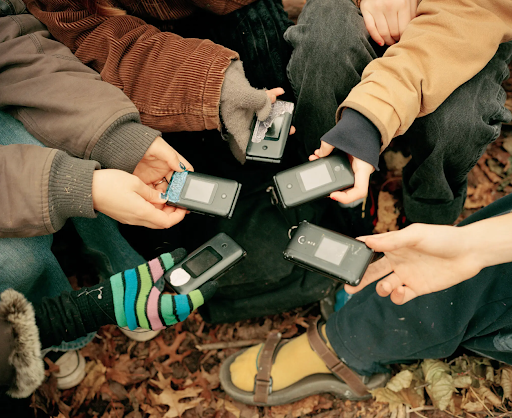
There’s a strange thing that happens when something important is unfolding right in front of us: instead of living it, we reach for our phones. A perfect sunset, a concert, a birthday candle, a big win in a game, our first instinct is to record it. We want proof that we were there, evidence that the moment existed, something beautiful to post on our Instagram stories. We care a little too much about what other people think of how entertaining our lives look. And in doing all that, we forget to actually experience what’s happening.
Our generation grew up with cameras in our pockets, so capturing everything feels natural. Photos and videos freeze time, and that’s comforting. There’s a fear that if we don’t record something, we’ll lose it forever. But psychology suggests the opposite: the more we try to “remember” something through a screen, the less we actually remember it ourselves. When we film instead of look, our brains treat the device as the storage system. We walk away with footage, but fewer real memories.
You can see this everywhere. At concerts, half the crowd watches the artist through a six-inch screen instead of the stage itself. That’s why some artists ask the audience to put their phones down for at least one song, just to actually live the moment. When traveling, people line up at the same photo spots instead of noticing the details around them. It’s almost like the experience only feels real once it’s documented. If it’s not on camera, did it even happen?
A lot of this comes from pressure. Social media has turned our lives into highlight reels, so big moments start to feel like content opportunities. We chase the perfect angle, perfect lighting, perfect shot. But when we focus on capturing the “perfect” version, we miss the real, imperfect moment unfolding right in front of us. Instead of laughing with friends, we’re adjusting camera settings. Instead of being moved during a performance, we’re thinking about storage space.
Another reason is control. Life moves fast, and moments disappear quickly. Recording something makes us feel like we can keep it forever. But some of the best memories aren’t meant to be replayed. They’re meant to be lived once, intensely, and held in our minds. Ask anyone about their favorite memories, and they’ll probably tell you about moments they never recorded: late-night conversations, a joke that made everyone cry laughing, a spontaneous adventure. These memories matter because we were fully present for them.
This doesn’t mean we should stop taking photos or videos. Capturing things can be meaningful, beautiful, and important. The key is balance. Instead of recording the entire concert, take one short clip and then actually watch. Put your phone down during the birthday song and enjoy the scene. When something amazing is happening, pause and ask yourself: “Do I want proof, or do I want the experience?”
Because in the end, memories don’t stay alive because we filmed them, but because we lived them.
Image: Getty Images