
Fashion trends may seem random, like everyone suddenly starts wearing the same thing at the same time. But trends do not appear out of nowhere. They come from a mix of designers, everyday people, and social media. If you look closely, you can even notice how trends spread at Graded and among students in São Paulo.
In the past, fashion designers and major brands had the most control over trends. They introduced new styles at fashion weeks in cities like Paris, New York, and Milan. These styles would slowly reach stores and eventually everyday consumers. This was known as a “top-down” system, where trends started at the top and slowly moved into everyday life.
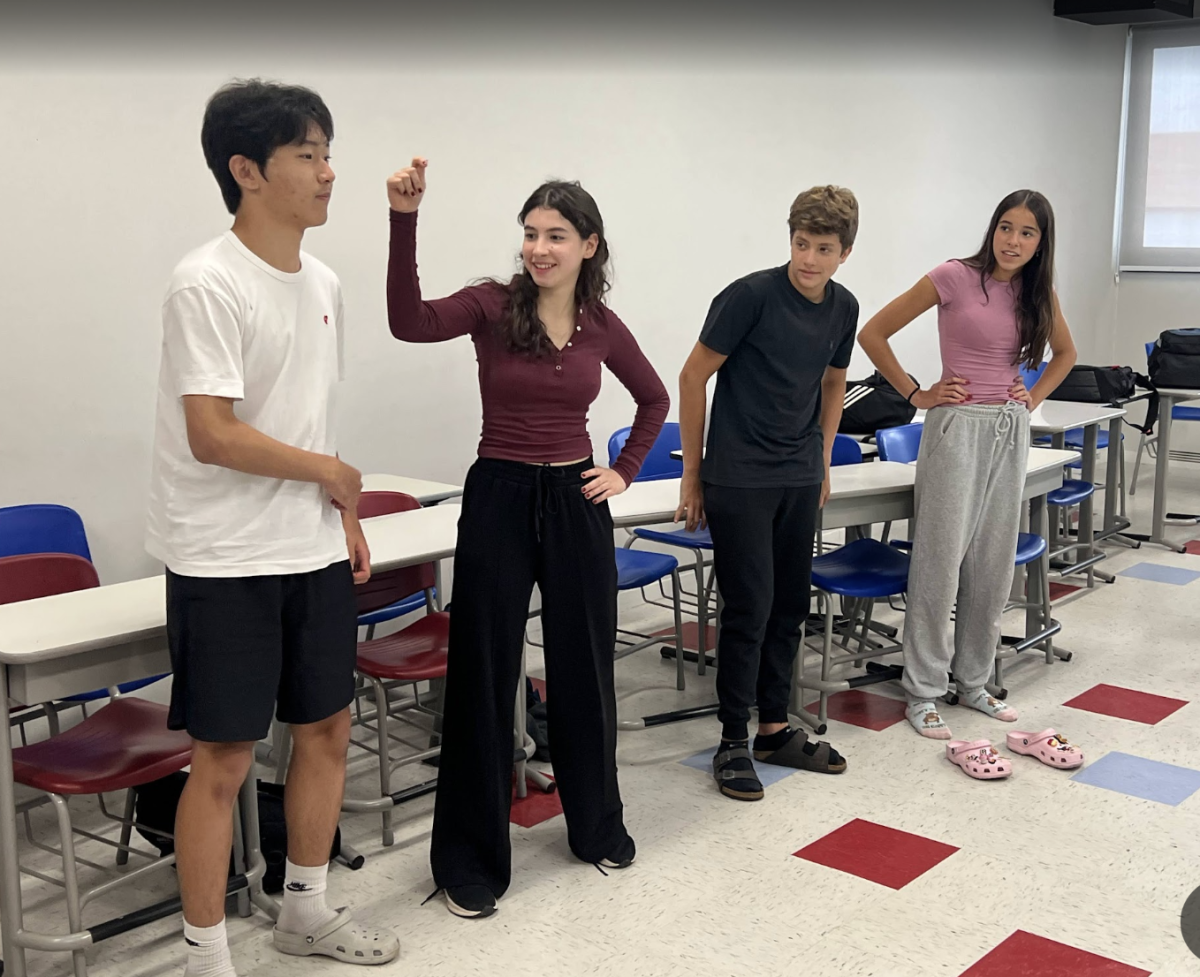
Today, however, things work differently. Young people, especially students, now play a major role in shaping trends. At Graded, for example, if a few students begin wearing a certain type of sneaker, hoodie, or bag, others quickly notice and start wearing similar items. Soon, these trends become even more popular and spread throughout the school, eventually reaching younger students as well. This reflects the way street style works in large cities, where ordinary people influence fashion simply by wearing what they like and what catches people’s attention.
Another major influence is social media. Apps like TikTok and Instagram play a huge role in spreading trends. As part of a generation that uses these platforms daily, students are constantly exposed to new styles online. Once a popular influencer wears a certain outfit or accessory, millions of people can see it instantly. At school, these trends quickly move into real life. Longchamp bags, Birkenstocks, Stanleys, and now even Oura Rings all became recognizable trends among students at different moments.
What many people do not realize is that algorithms also help decide what becomes popular. They determine what content appears on our feeds and how quickly posts spread online. This is one reason trends move so fast today. One week something is everywhere, and the next week it is replaced by something new. In a generation so connected to social media, Graded is a clear example of how quickly students are influenced by new fashion items that appear every once in a while.
In the end, fashion trends are not controlled only by designers or influencers. They are shaped by all of us. From the runways of Paris to the hallways of Graded, trends spread through a cycle of influence, observation, and imitation. What begins as one person’s choice can quickly become something everyone else is wearing, especially in a school environment where people see each other every day. But this also means we have more power than we think. Instead of simply following trends, we can choose to wear what we genuinely enjoy. Fashion is not just about fitting in. It is also a way to stand out. Maybe the next big trend will not come from Paris or TikTok, but from someone confident enough to wear something different at school.