

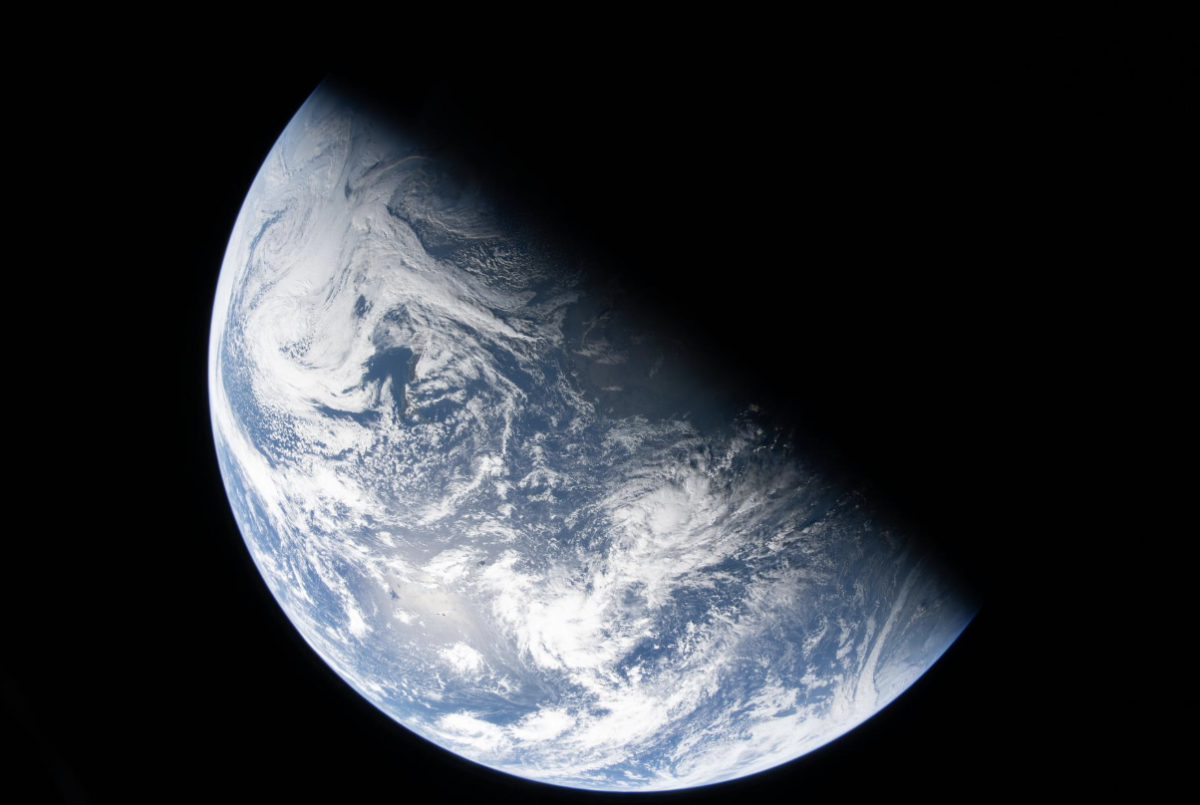
On April 1, 2026, history was made. At 6:35 PM EDT, NASA’s Space Launch System (SLS) departed from Cape Canaveral, Florida. On board the “Integrity” (the name the crew gave the Orion capsule) were four astronauts setting out on a journey not attempted by humans in over 50 years: leaving low Earth orbit to fly around the moon.
For 10 days, the world watched in awe as Commander Reid Wiseman, Pilot Victor Glover, and Mission Specialists Christina Koch and Jeremy Hansen traveled farther into space than any humans before them. At their farthest point, they were 252,756 miles away from Earth, breaking the previous record set by Apollo 13 in 1970.
However, Artemis II was only the second mission in a broader plan. According to NASA, this mission was the critical “systems validation” flight. Before we can enable widespread travel to the Moon or Martian colonies, as seen in shows like Futurama, we have to ensure the human body and technology can handle deep space. The crew tested Orion’s life-support systems, manually piloted the capsule, and re-entered Earth’s atmosphere at a speed of over 25,000 mph, which is faster than any crewed vehicle before it.
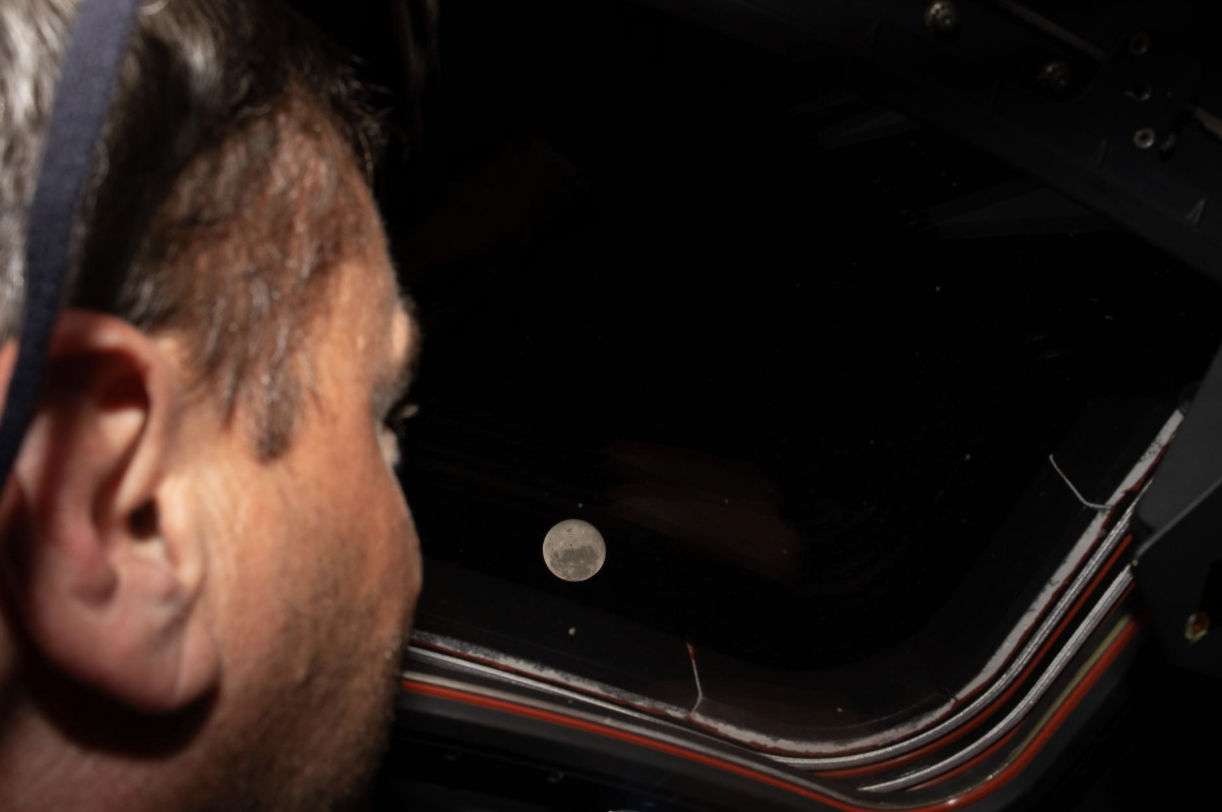
Since Artemis II was intended as a systems validation flight, especially to test how the human body reacts to deep space, important breakthroughs were made in human health science. According to NASA, Artemis II traveled directly through the Van Allen radiation belts, so astronauts experienced higher levels of radiation than anyone on the International Space Station. The crew wore experimental radiation vests with special sensors attached. Biological experiments were happening as well in order to see how crops might grow in deep space. They tracked how yeast cells and plant seeds reacted to deep-space radiation. This data is vital because future Mars missions would expose astronauts to these conditions for three years, not just ten days.
However, the mission wasn’t just about testing rocket power; it was also about experimenting with sending information across previously unheard-of distances. For the first time at lunar distances, NASA tested a laser communications system. Rather than the slow radio waves they had used in prior missions, they used invisible infrared light to send high-definition videos and photos back to Earth. The system transmitted 484 gigabytes of data (nearly 15 days of HD video) back to Earth at 260 megabits per second, allowing us to see crystal-clear “Earthrise” shots almost instantly.
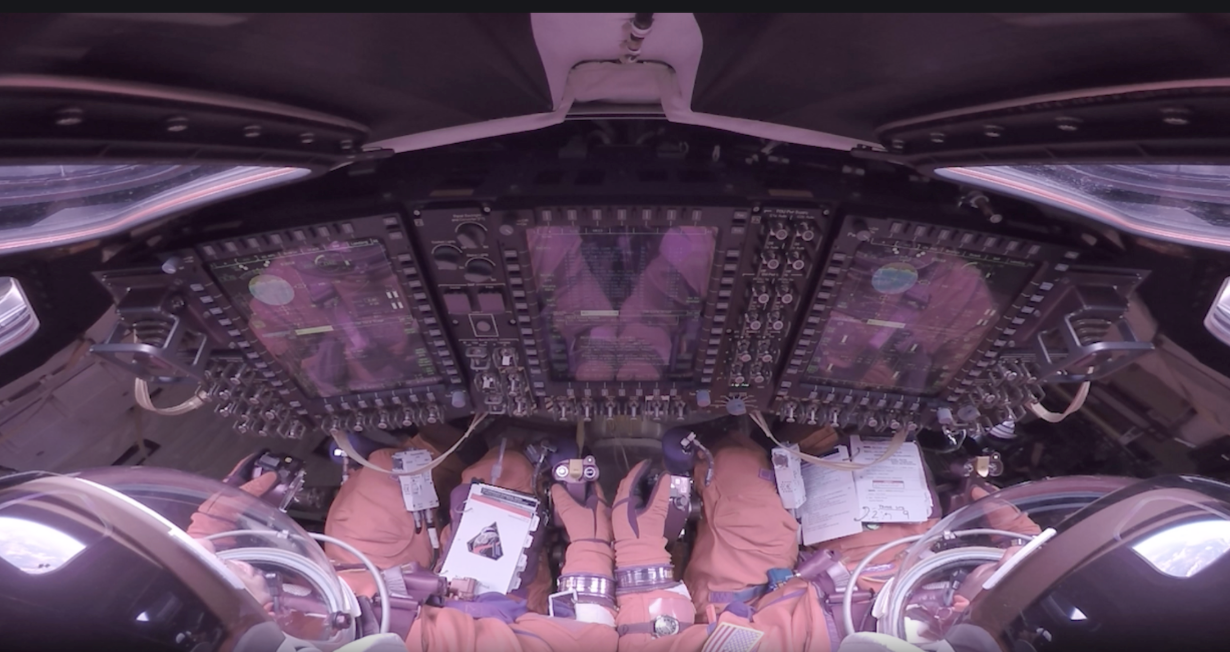
Outside of engineering, the crew was also much more diverse than previous manned missions. The crew features the first woman (Christina Koch) and the first Black astronaut (Victor Glover) to head to the moon on a NASA mission. The crew also featured Jeremy Hansen of the Canadian Space Agency, marking the first time a non-American had traveled on a lunar mission.
The crew splashed down safely on April 10 in the Pacific Ocean southwest of San Diego. The mission’s resounding success proves that the Orion spacecraft is ready for the next challenge. As mentioned earlier, this mission is only Step 2, and it will set the stage for Artemis III (planned for 2027), which aims to land the first woman and the next man on the lunar South Pole. One thing is certain: whatever happens next, this launch will play a key role in a potential future when humanity finally learns to live among the stars.