
For many students in Brazil, the 2026 elections will be their first time voting. That’s a big step, both legally and personally. The first round of Brazil’s general elections will take place on October 4, 2026, with a possible second round on October 25. This is not just another date on the calendar. It is the moment when many young people stop watching decisions being made and start taking part in them.
In Brazil, your right and duty to vote depend on your age. If you are 16 or 17 by the first round, voting is optional. From 18 to 70, it becomes mandatory. This means many high school students are already eligible to vote in 2026. Registering is the first step, and it marks the transition from observing politics to participating in it. Even if politics feels distant, the people elected will make decisions about education, healthcare, transportation, public safety, taxes, and jobs.
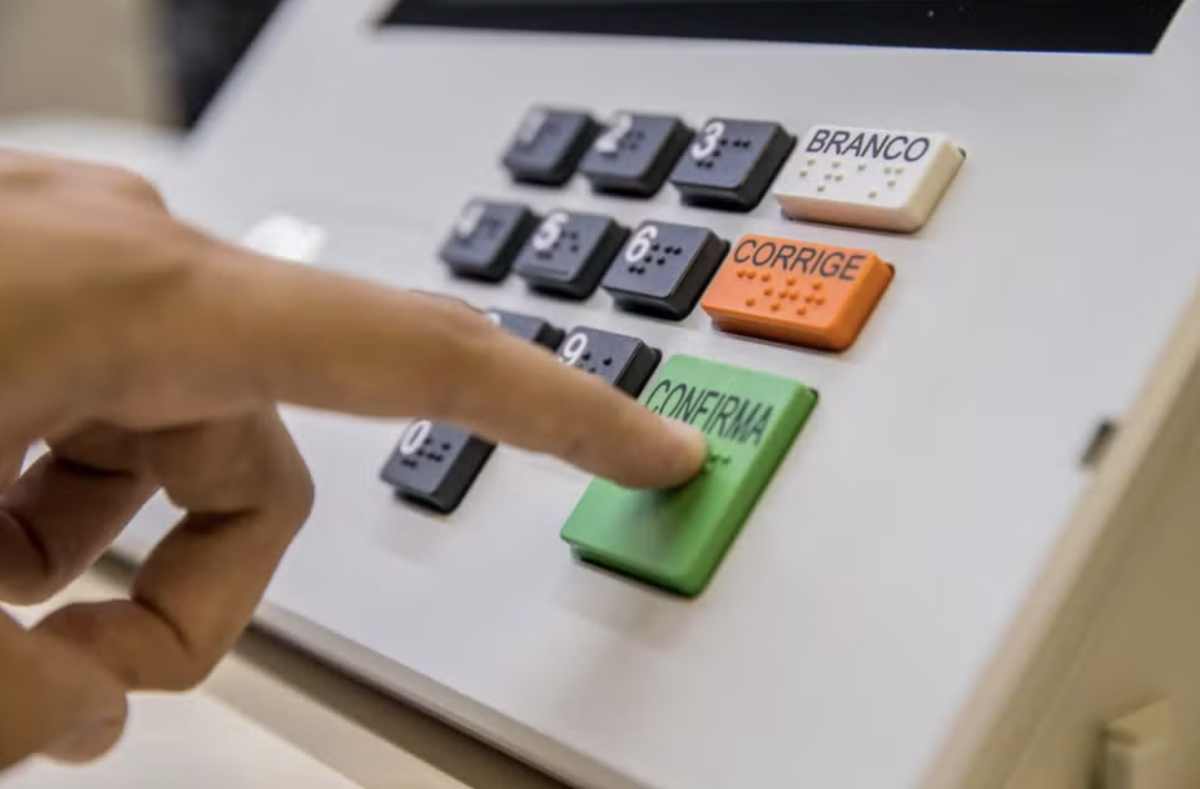
In the 2026 general elections, voters will choose candidates for several positions: president, governor, two senators, one federal deputy, and one state (or district) deputy. Although there are five types of office, you will cast six votes because you are voting for two senators. On the electronic voting machine, the order is: federal deputy, state or district deputy, first senator, second senator, governor, and president. If no candidate for president or governor wins a majority in the first round, a second round will be held for those positions.
Each of these roles comes with different responsibilities. The president leads the country, managing national policies, federal programs, and foreign affairs. Governors oversee state-level issues such as public safety, schools, hospitals, and infrastructure. Senators represent their states at the national level and take part in major legislative decisions. Federal deputies work in the Chamber of Deputies, proposing and voting on laws and budgets, while state deputies focus on state legislation and oversight of the governor.
To vote, you need a título de eleitor. The deadline to register, update your information, or change your voting location is May 6, 2026. After that, the voter registry closes. You can start the process online, but first-time voters still need to provide biometric data in person. It is possible to schedule an appointment through the Regional Electoral Court website. Registering early is strongly recommended to avoid last-minute issues.
To register, you will need an official photo ID and proof of residence. In some cases, proof of military enlistment may also be required. After registering, downloading the e-Título app can make things easier. It allows you to check your voter status, find your polling place, and access key information. On election day, you must bring a valid photo ID or use the app if it includes your photo. A paper voter card is not required.
It is also important to understand how candidate numbers work. In Brazil, each candidate is identified by a number linked to their political party. Presidential and gubernatorial candidates use the party number. Senator candidates use the party number plus one digit, federal deputies use the party number plus two digits, and state or district deputies use the party number plus three digits. Knowing this helps make the voting process faster and avoids mistakes.
For students, voting is more than a technical process. It is a direct way to participate in decisions that shape the country’s present and future. Being prepared, understanding your choices, and showing up on election day can make that first vote meaningful. For many young people, 2026 will be the first real opportunity to move from having opinions to acting on them.