
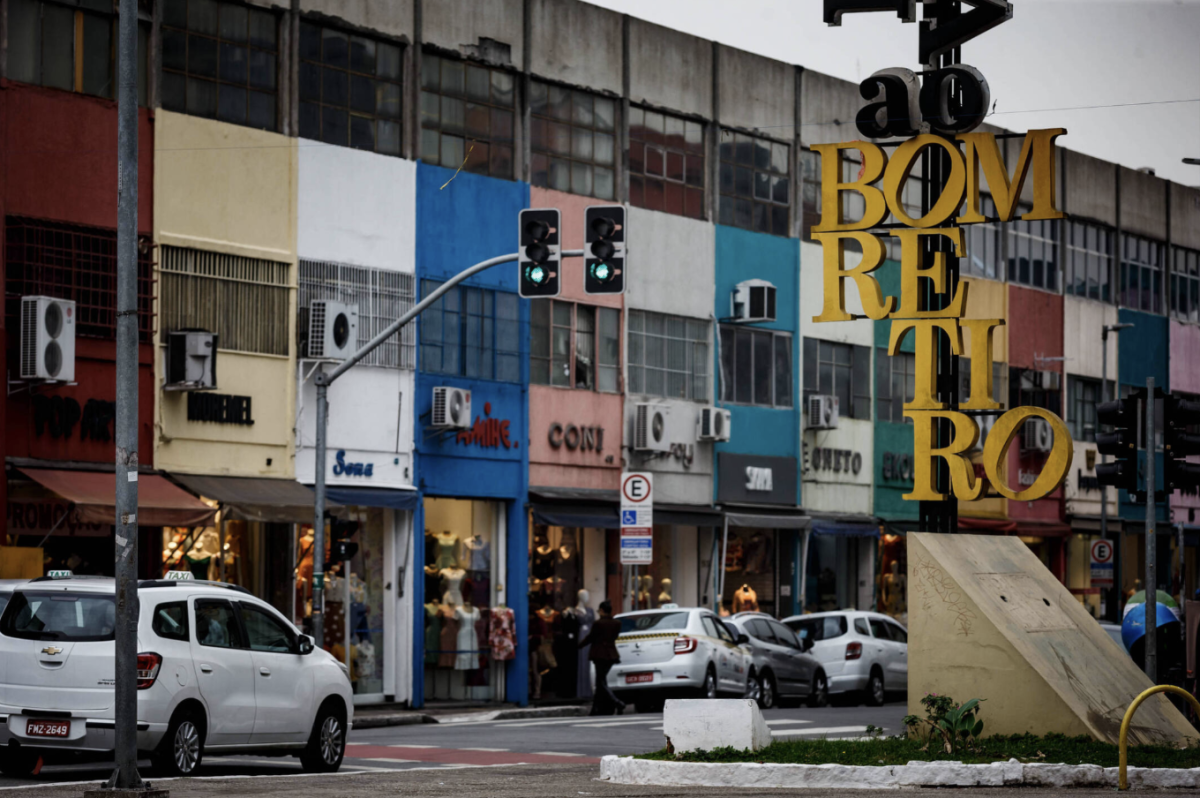
It has been over 60 years since the first immigration of a Korean community to Brazil, when they arrived at the port of Santos, São Paulo. The very first group, composed of 103 Koreans, arrived in Brazil after a two-month sea voyage. Now, there are approximately 50,000 Koreans living in Brazil, creating what many describe as a “Korean diaspora.” This relatively quick but large migration of South Koreans, primarily centered in São Paulo, gradually formed concentrated Korean communities. Brás and Bom Retiro became the heartland of the Korean community, particularly through the garment industry.
Like many other diasporas around the world, an “identity crisis” eventually emerged. Koreans who were born in Brazil often categorized themselves as not fully fitting into either culture.
According to a joint research project conducted by UCLA titled The Korean Immigration in the Americas, 44% of the 106 interviewed Korean-Brazilian high school students considered themselves more Brazilian than Korean, while 56% considered themselves more Korean than Brazilian. This polarized result can be attributed to many factors. However, what stands out the most is that most of the students who identified more as Brazilian had attended Brazilian public schools.
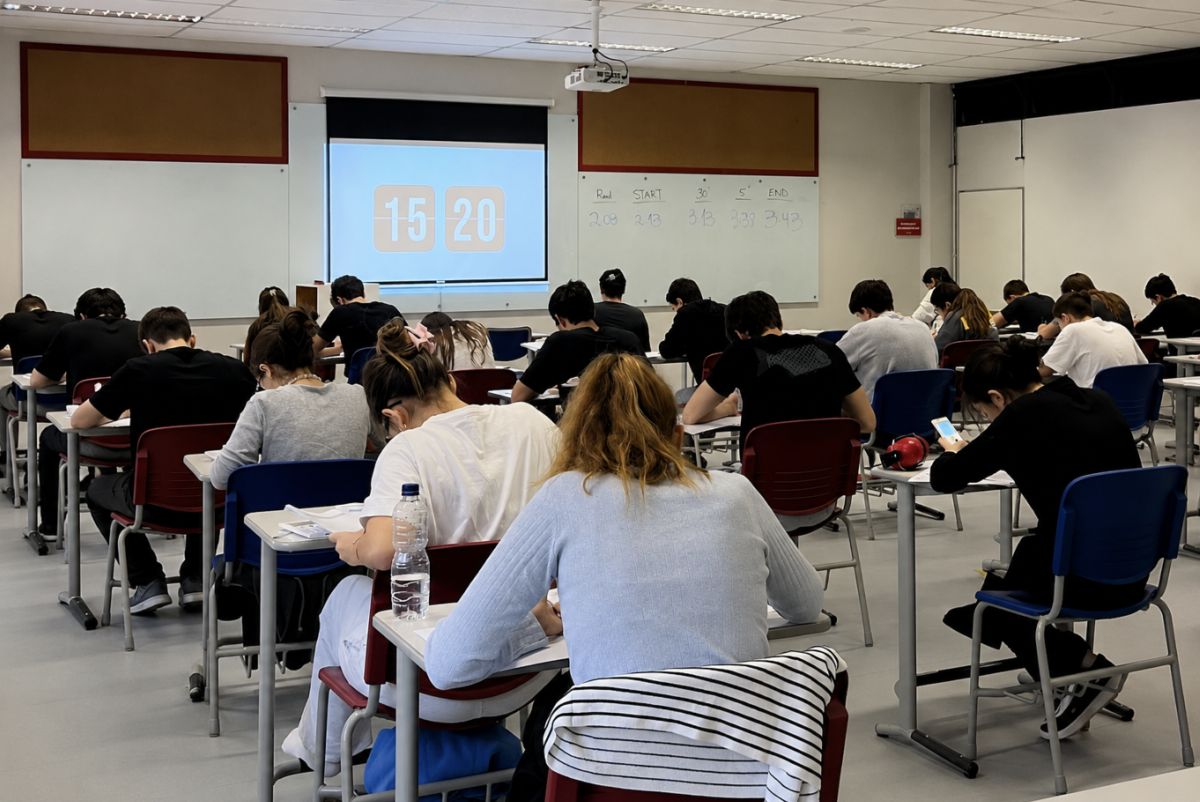
School is where children first learn how to interact with society. They learn the language, which in this case is Portuguese. They sing the Brazilian National Anthem and study Brazilian history. This is where identity is often shaped. All of these experiences contribute to a sense of belonging within Brazilian culture, ultimately making some students feel more connected to it than to Korean culture. On the other hand, those who identified themselves more as Korean were often raised in communities where Korean culture was more accessible to them. They may have attended Korean Protestant churches or Korean schools, and many likely spoke Korean at home with their families. As a result, they grew up in tighter ethnic enclaves which, in a positive way, helped them stay connected to their roots, but also, in some cases, limited their openness to another culture. This separation between the two cultures affected the Korean community socially, especially among first-generation immigrants who struggled to fully integrate into Brazilian society.
This hyphenated identity often causes Korean-Brazilians to question where they truly belong and whether they are fully accepted in the communities they are part of. At home, they are Korean. At school or on the streets, they are Brazilian. In Korea, they are “too Brazilian.” In Brazil, they are “too Korean.” This feeling of not fully blending into either culture is common in diasporas around the world. In the past, this disconnect was often linked to language barriers. Today, however, cultural separation and social isolation seem to play a larger role.
For me, as a teenager who has been living in Brazil for six years, one thing I noticed is how open-minded and extroverted Brazilian culture can be compared to the more reserved nature many Koreans carry. Maybe this cultural difference contributes to the separation between the two groups, or maybe there are other reasons. Still, what worries me is that some people are simply born between borders, constantly trying to understand where they belong.




Henry • May 19, 2026 at 10:19 AM
I love how you described being Korean-Brazilian as a “hyphenated identity.” That’s a really great way of putting it, and it works both literally and figuratively.