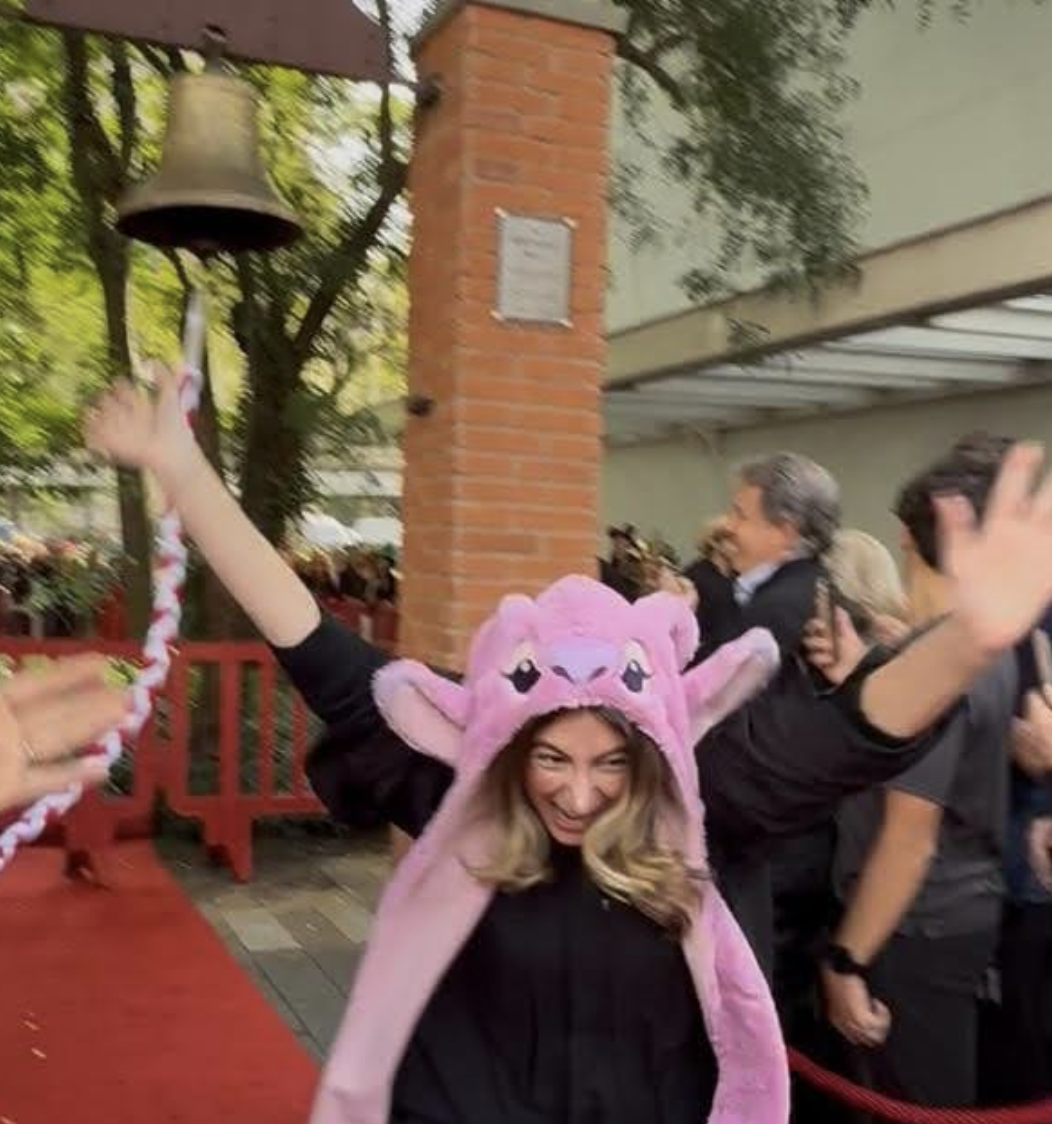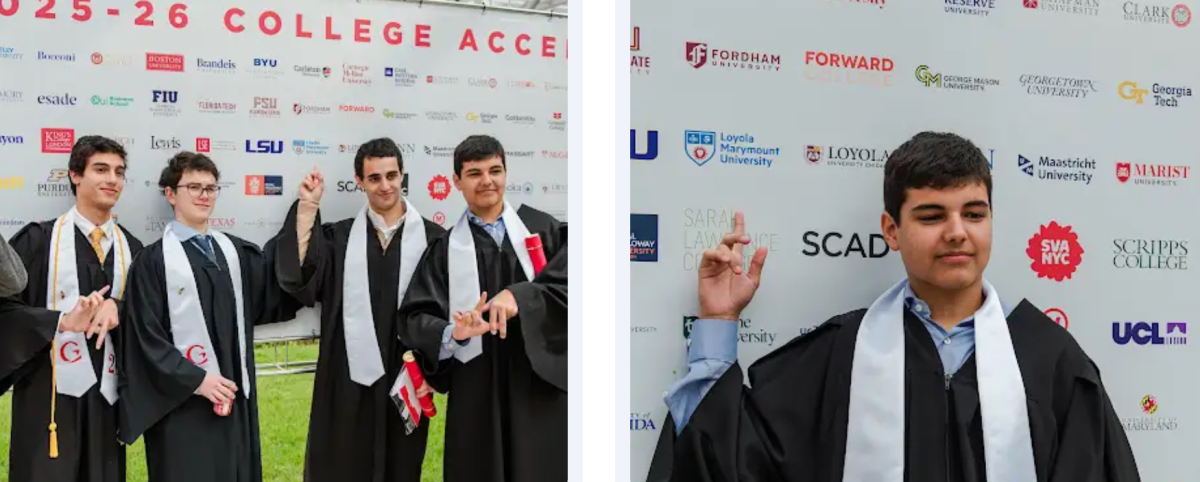


The sound reaches you before the seniors do. A chorus of toy trumpets echoes through the halls, blending with cheers, laughter, and the occasional cry of someone trying unsuccessfully to hold back tears. Phones rise above heads as students push closer together, trying to capture one final glimpse of the graduating class. Somewhere in the crowd, the bell rings, and with dizzying speed the seniors crowd the main corridors down the A-wing.
Dressed in their Sunday-best hats and graduation gowns, the seniors move through the sea of students that has formed around them. Some are smiling uncontrollably. Others are crying. Most are doing both. They stop every few moments to embrace friends, teammates, people who for years have occupied the same hallways.
Nevertheless, almost as quickly as it began, it’s over. The seniors continue forward just as the crowds part and breeze over the emotions that seemed so overwhelming mere minutes ago. But this year, as I watched the ceremony unfold, I found myself noticing something I’ve never had to pay attention to before. The bell might have been ringing for them, yet for the first time it was also ringing for us.
For as long as I can remember, becoming a senior felt synonymous with becoming known. The seniors were the students everyone recognized and knew by name; even if you didn’t, all you needed was to take a peak at their Senior Hoodie and it would quickly inform you where they stood in the Graded high school social hierarchy.
Perhaps that is why watching this year’s Bell Ceremony felt different. For the first time, I found myself looking beyond the celebration itself and toward the question quietly waiting beneath it.
What happens after?
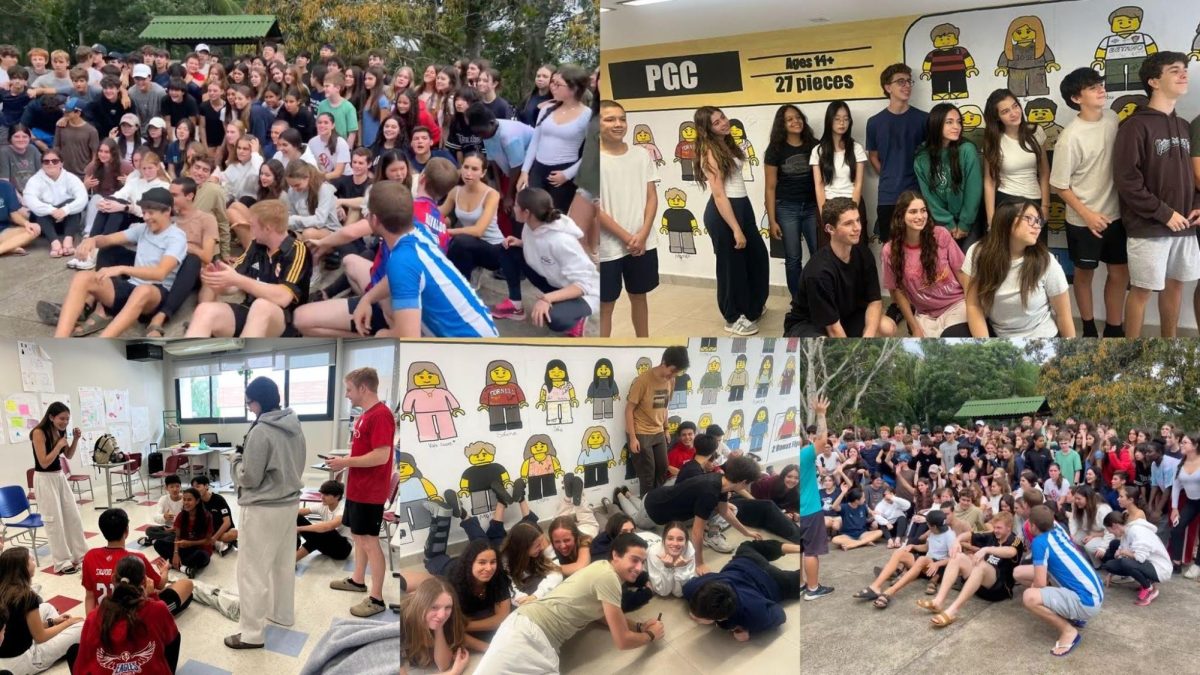
Every class eventually reaches this moment. Every senior class becomes the class that came before. The traditions (PGC, the Senior Lawn, Awards Ceremony) and the “senior privilege” remain, even as the school moves on and new students step into spaces once occupied by those who graduated. While it really might have been the LA2T 6LOCK for the class of 2026, and the class of 2027 will approach the school year ONE LA2T 7IME, we really aren’t the last this school will ever see walk the graduation stage. Standing in that hallway, surrounded by cheers, I found myself wondering something surprisingly simple:
Will you remember us?
We picture our names living on through titles, accomplishments, or positions. We wonder whether future students will remember who was a PGC, who captained a team, or who led a club. Nonetheless, I believe memory doesn’t necessarily operate that way.
There’s this philosophical question: if a tree falls in a forest and nobody is around to hear it, does it make a sound? Has our time in high school mattered? What about the friendships we built or the communities we shaped? Will the moments that defined our high school experience continue to exist after we leave?
Perhaps we are asking the wrong audience. The question was never whether every future student will remember our names. Realistically, they won’t. Just as we cannot name every senior class that came before us, one day another class will take our place.
Yet a tree does not need an entire forest to hear it fall for the sound to exist. It only needs one listener, which might as well be itself.
Remembrance works the same way. If a friend remembers your kindness, if a teacher remembers your perseverance, if someone remembers that one article you wrote for the Talon long after graduation, then your time here continues to echo. But memory doesn’t only live in others; it lives in us as well. Perhaps that is enough. We leave traces of ourselves in every life we touch, and they leave traces in ours. What begins as a single memory rarely ends there. It moves outwards, carried from person to person, rippling long after we are gone into something greater than anything we will ever witness.