

When you hear the first few notes of Star Wars, The Lion King, or Interstellar, you might not think of the composers who write them, but you’re already stepping into the art of movie music. For over half a century, John Williams and Hans Zimmer have shaped not only what movies sound like, but the feelings and worlds created by cinematography. Whether you know it or not, the most identifiable theme songs of today’s time have been shaped by these two artists.
John Williams is, in many ways, the symphonic soul of modern cinema. He has transformed classical music with sweeping orchestral scores that recall early Hollywood, and his music has become as iconic and recognizable as the films themselves. The Star Wars fanfare, Hedwig’s Theme from Harry Potter, the haunting violin of Schindler’s List, the triumphant march of Indiana Jones, and the wonder of Jurassic Park are only a few of the works created by Williams. Each piece creates an identity for the movie, becoming a cultural memory and a piece of art even on its own.
Williams’ genius lies in his command of leitmotif – the recurring musical motifs that represent characters, ideas, places, or emotions – weaving the narrative through melody. The Imperial March and theme in Star Wars, or the whispering nostalgia of E.T.’s finale, carry as much storytelling weight as any line of dialogue or scene.
John Williams composes in a way that feels almost timeless, evidenced by the fact that he still writes his scores entirely by hand. Before composing any piece, he watches the film as an audience member would, letting his first impressions guide the melody he creates. The root of his work is deliberately human. In an era defined by digitalization, Williams remains committed to the orchestra and to the slow, reflective, tactile act of writing, resulting in music that is deeply personal and memorable.
Hans Zimmer’s soundtracks, on the other hand, are made of momentum and rhythm. His music has logical and emotional meaning to each scene. From the ticking tension of Dunkirk to the repeated note representing time in Interstellar’s theme, Zimmer’s soundscapes are built from electronics, distortion, and rhythm as much as melody.
Zimmer revolutionized film scoring by breaking the boundaries of music genres. In Inception, he used slowed-down brass to simulate time stretching; in The Dark Knight, he built an entire atmosphere of chaos from just two notes. He utilizes drums, synthesizers, and even silence as instruments of storytelling.
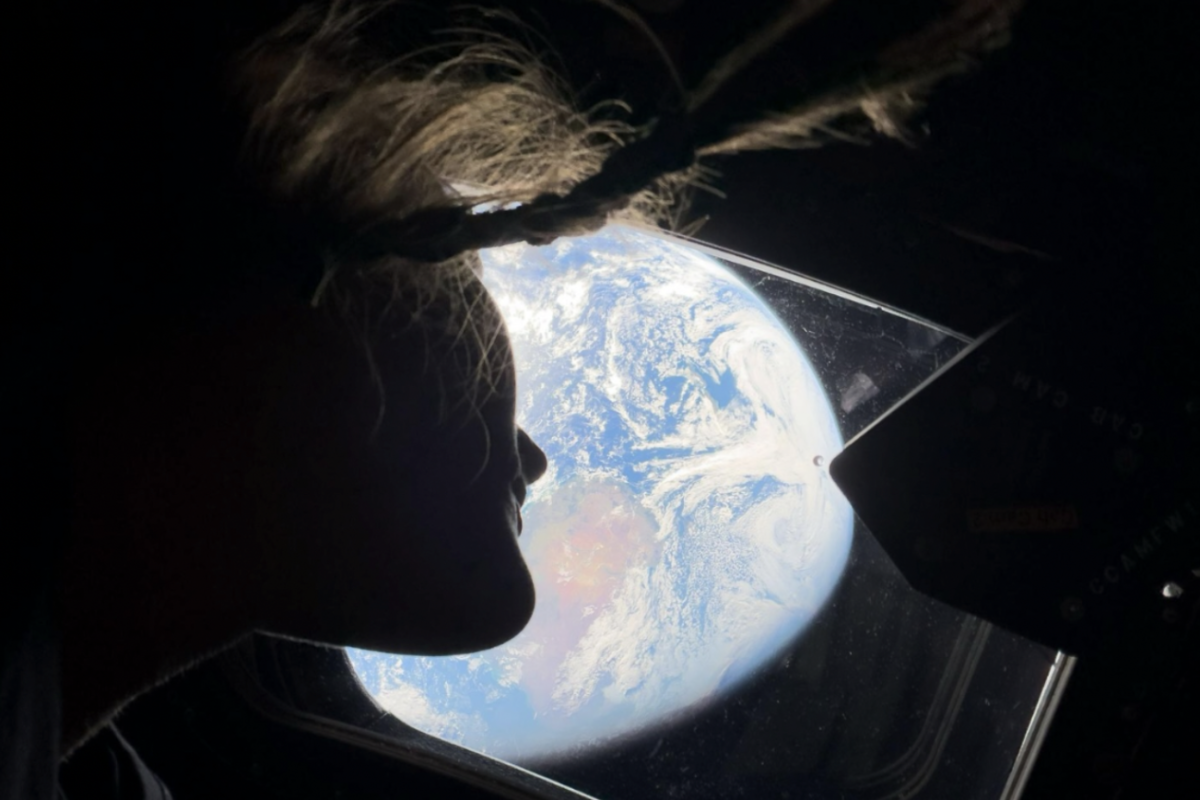
Zimmer’s way of composing is very different from Williams’. His mindset is set on building an entire “Sound World” rather than a traditional score. Where Williams begins after a film’s completion, Zimmer often starts while it’s still being shot or even before the script is finished. He experiments with sound, texture, and technology to discover what emotional atmosphere a film should inhabit. His approach to composing encompasses collaboration: Zimmer works hand-in-hand with directors, editors, and sound designers. In Interstellar, for example, Christopher Nolan gave him only a single page of dialogue describing the relationship between a father and child; from that, Zimmer composed the film’s central theme and created one of his most famous pieces to this day, Cornfield Chase, which represents the film’s exploration of time passing on Earth as he travels in space.
Together, Williams and Zimmer represent two poles of cinematic sound: the classic and the contemporary. Film scores have become the emotional architecture of cinema, shaping not only what we see but how we recall it. Few have defined that craft more profoundly than John Williams and Hans Zimmer. Their work transformed the soundtrack from a background element into a true form of storytelling, turning scores into emotion, memory, and meaning. From the orchestral melodies of Star Wars and Harry Potter to the seismic soundscapes of Inception and Interstellar, their music has shown that sound is never just heard, but felt.
Listen to their world here: