
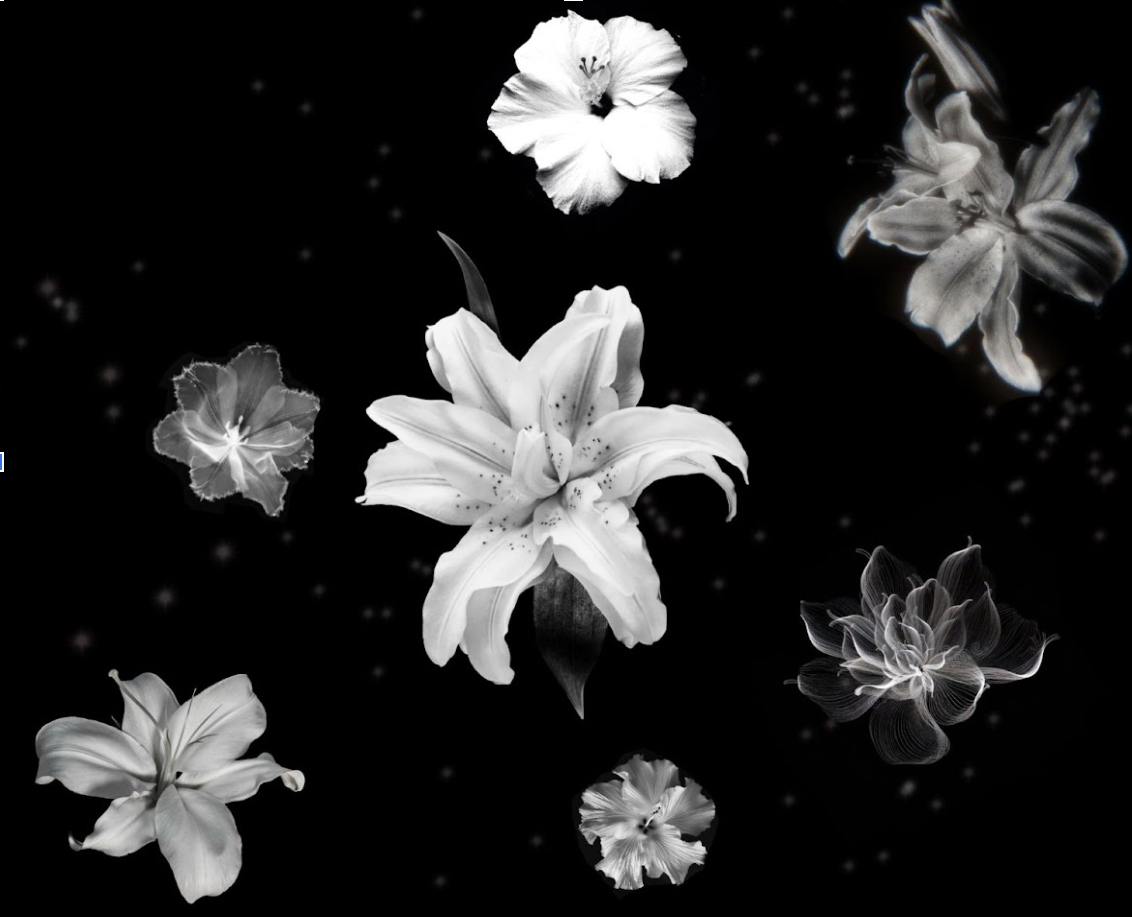
If we observe a single planetary nebula surrounding a dying star, we can uncover quiet truths about our connections with others and the unseen ways our energy endures beyond us. Stars burn quickly by astronomical standards, yet impossibly slow by our standards. When a star’s gravitational pull weakens, and it sheds its mass, the inner core collapses into a white dwarf, still radiating enough heat to illuminate the escaped gases that were once a part of the star. Stars don’t fade rapidly; they burn with time, and once their last moment occurs, they become remnants of what they once were. Like stars, when people die, we scatter pieces of ourselves into the world. What remains is a reflection of what we’ve done. A burst of what we were before becomes something permanent, because the past doesn’t disappear, it crystallizes inside of us and carries our energy forward.
Our lives are made of constellations. We are all connected as one, and drawn together by gravitational pulls. What ultimately matters is what we choose to leave behind in the lives of the people we are bound to. After leaving life on Earth, what’s of most importance is our impact on the people we meet. And every time we encounter someone new, our lives shift in a different direction. Whether through gentle or violent shifts, our circumstances alter to the point where we are unable to return to where we started.
A dying star isn’t lost and gone: its presence becomes a new light that makes up constellations in the sky, just as the memory of us remains in the lives of others, even in our absence. That’s why every action, whether harmful or beneficial, impacts us as a whole. The footprints we leave on our community matter because our lives are a part of the same living space that connects us all. Like the constellations of stars, we must constantly remind people of the humanity in all of us that makes us all equal: scattered light connects into constellations, which serve a greater purpose than what a single star can provide.
The environment alters depending on our actions, so if everything we do leaves a trace, what are we imprinting in the world we share? Are nature’s endless signs a call for help, or just echoes of what we’ve done? Countless movements or communities speak out about environmental issues, but we somehow fail to recognize how interconnected we are with these problems. The more we fail to recognize this, the worse our problems become, and this division between ourselves and our environment only deepens to a detrimental extent: we’re only solving shallow issues and ignoring the bigger causes rooted within our actions. Consequently, we narrow our focus too deeply on the problem and lean further away from the origin: we’re all connected as one. The planet doesn’t solely absorb our waste, it absorbs our energy and the activities of our everyday lives.
Through this, I am reminded that a part of us may leave, but never the whole. A small part of us stays, which is permanently connected to our community, altering others’ climates. Someone’s way of being penetrates an energy and rhythm that can quietly change the emotional temperature in a group. Even when we leave a space, our energy remains: this energy continues to affect those who were within our presence. How we leave a person behind matters, and so do the intentions we have before leaving them forever. In my mind, the memories of a person that most prevail are during the last encounters you have with them. Their final intentions, or your final intentions, are what stay with you, and that gravitational pull you had with that person, whether strong or weak, will never leave. And that is the art of living.