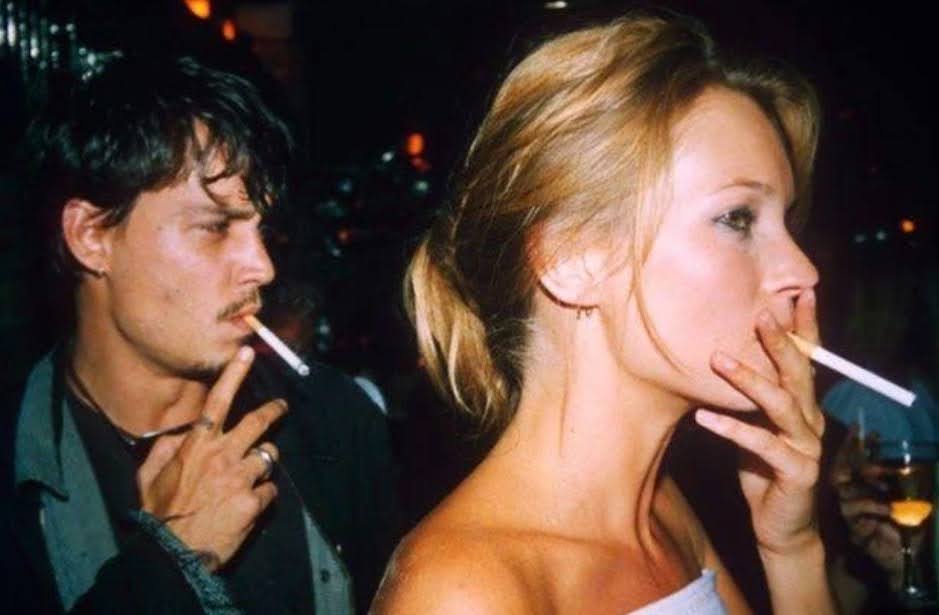

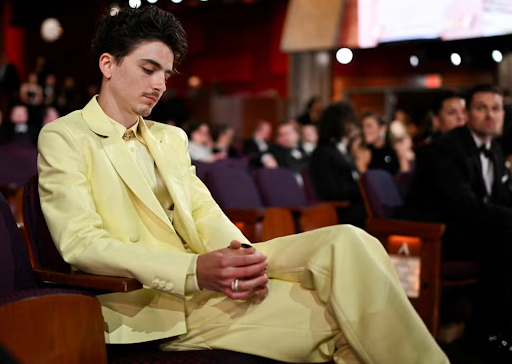
On February 24th, 2026, during a recorded interview with actor Timothée Chalamet and host Mathew McConaughey for Variety, Chalamet made a comment that hit the dance world where it hurts most: “I don’t want to be working in ballet, or opera, or things where it’s like, ‘Hey, keep this thing alive, even though like no one cares about this anymore’”.
Within hours, the clip spread across social media, sparking an unprecedented wave of responses and igniting a reaction that extended well beyond entertainment. Dancers, institutions, and students alike made various posts and comments critiquing the actor’s seemingly ignorant words. Most notably, Youth American Grand Prix, the largest and most prestigious ballet competition in the world, responded publicly on their Instagram account with a reel that amassed over one million views, signaling the magnitude of the moment. Comments about other fields circulate daily with little consequence; the reason these particular words did not is because they struck a very specific nerve for ballet dancers.
Chalamet’s words were so haunting because they voiced a concern that every dancer has, and yet still tries to bury with every practice. It revealed a very dark crack that runs down the ballet world, the “fatal flaw” if you will. What is it all for?
As a dancer myself, I can attest that ballet exists in a duality between extraordinary commitment and profound uncertainty. Dancers dedicate years, often their entire childhood, to disciplined training, structuring their entire lives around a dream that offers no guarantees. There seems to always be a countdown running inside dancers’ heads, of when they’ll officially be too worn-out to dance or when they’ll be forced to take their last bow. I see this everyday in my own dance studio, where I’ve witnessed dancers as young as twelve complain that they started wearing pointe shoes too old and worry that they’ll never be good enough (yet it raises the question: good enough for who?). Unlike many other areas, success in ballet is not determined solely by effort, perseverance, or even talent. It is also shaped by one’s physiology: their turnout and natural proportions, that remain beyond anyone’s control. You learn to work around these “flaws”, yet you’ll always be aware of them. A dancer can work themselves tirelessly, and they still may never reach the outcome they desire, a hard truth and unpredictability ballet dancers are taught to live with.
If a dancer wishes to take the professional route, this unpredictability only rises. The path is extremely narrow: the number of dancers who achieve principal roles, let alone attain the status of prima ballerina, are extremely small. Even among those who reach the highest levels, the rewards usually come in the form of admiration and awe rather than financial forms. Dancers know that there is a high chance all the hours they’ve spent practicing won’t amount to much from society’s standpoint, but devotion is quite a powerful force that isn’t always the most rational.
This is why Chalamet’s words carried such weight, especially since they were delivered in the lead-up to the Oscars, when a greater number of individuals were paying attention to what he had to say as a potential winner.
Nevertheless, to interpret his words as evidence of ballet’s demise would be foolish, because how can you possibly explain love to someone who has never felt it? Although “love” is a vague and idealist word, I don’t think there’s a better explanation for what dancers feel for ballet. As I’ve already mentioned, this passion isn’t always the most logical, especially because of how much of yourself you have to give to dance. Paradoxically, it is through how many parts of ourselves I and countless other dancers have given that we’ve learnt who we truly are, while also becoming more responsible and perseverant people by the day.
Ballet has endured as an art form across centuries, and I find it highly unlikely that this will change anytime soon. Ballet continues in the girl tying her shoes before class, in the dancer staying a few minutes long to repeat a variation one more time, in the teacher who prepares lessons and choreographs late in the night. It persists across generations, forming a lineage that exists independently of public validation. Even digitally, a world considered to clash with classical art forms, has contributed to the visibility of ballet, through the formation of trends such as “balletcore”. Although they portray an extremely romanticized version of ballet, I’ve seen firsthand how the media has brought more dancers into studios and audiences to theaters. Therefore, as long as one person is still willing to dance or preserve this art form in their memory, ballet does not need saving; it is alive and breathing and enduring where it matters most, which is not necessarily in recognition.
Image: UOL