

‘‘I can’t wait to grow up!”
I think we’ve all said this at one point when we were younger. Back then, growing up felt like the goal for freedom and independence, the chance to be finally ‘‘older’’ and experience life like we saw in movies. We thought teenagers and adults had it all figured out, and we couldn’t wait to be like them.
But doesn’t it feel like time is passing faster as we grow up? Maybe too fast? We’d impatiently wait for birthdays, vacations, Christmas break (and honestly, I still do), all hoping that time would just fly faster.
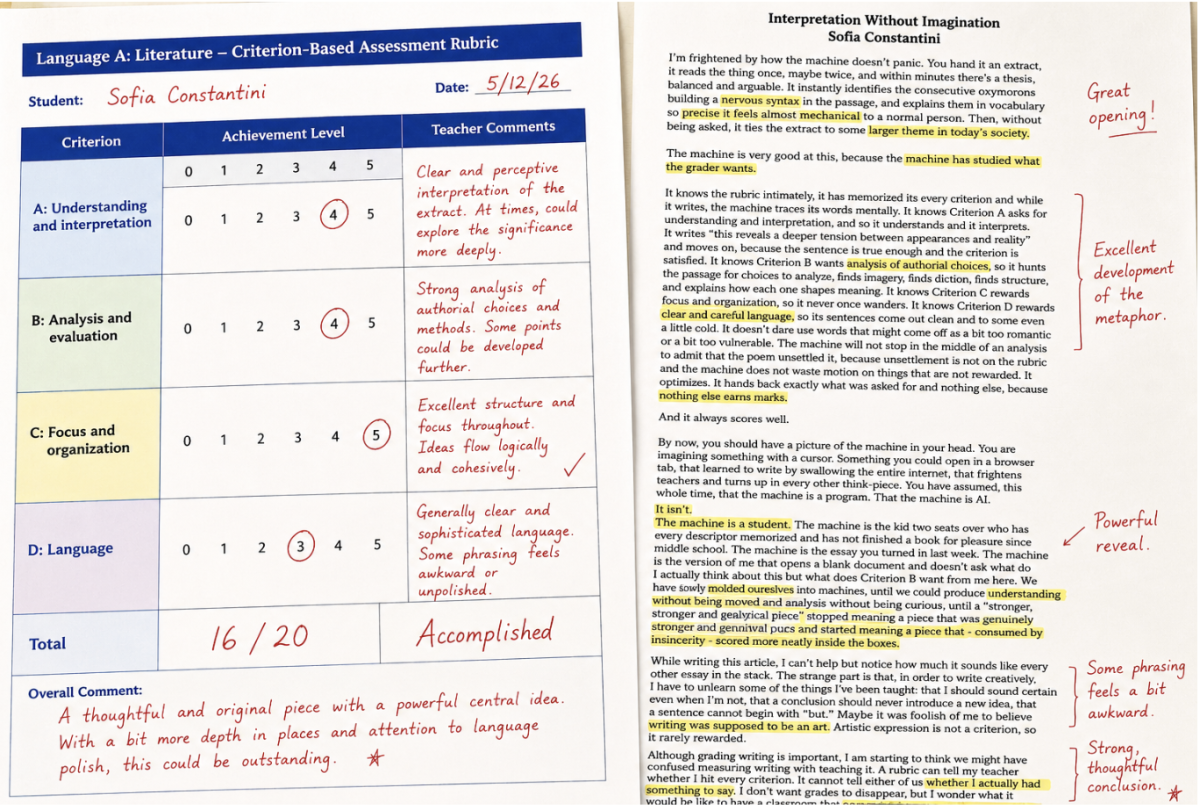
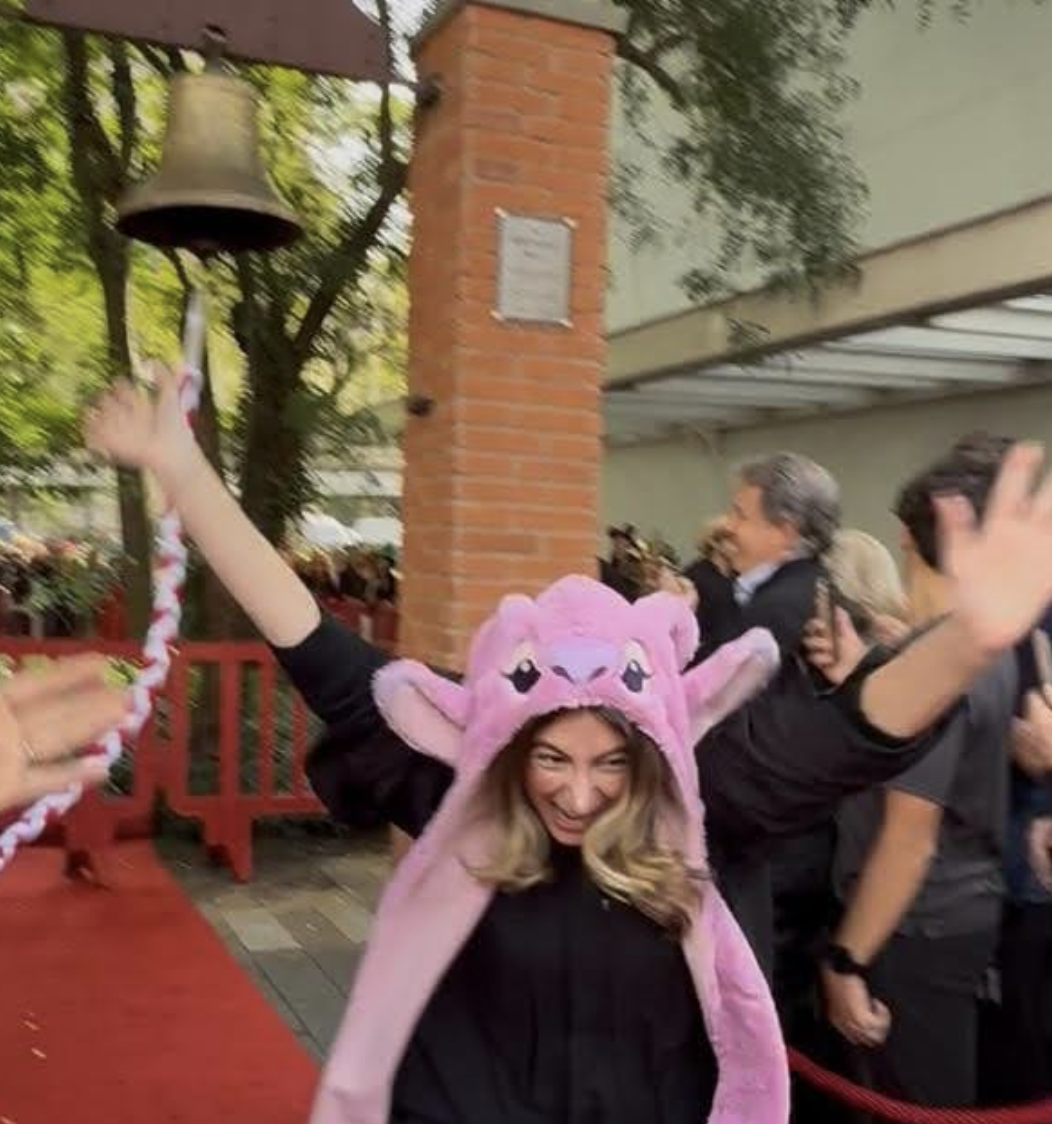
Now, those same moments seem to pass in the blink of an eye, and we find ourselves trying to hold on to the past, wishing we could turn back time. In just two years, I’ll be a senior, and I can still remember 4th-grade me telling my friends that we had eight more years until we graduate. I’d walk in the hallways, staring at how mature the high schoolers looked. And yet, here we are.
If you’ve felt this way, don’t worry! There’s a reason for it.
According to research from the University of Michigan, when we’re young, our brains process lots of new visual information quickly, so moments feel longer. As we age, our neural networks grow and signals travel farther, meaning our brains process information more slowly. In other words, we perceive fewer ‘‘frames’’ per second, so time seems to pass faster, like flipping through a flip book with fewer pages.
A study from Cambridge University also points to the Proportional Theory, which suggests that time feels faster as we age because each year becomes a smaller fraction of our entire life. For a 10-year-old, one year is a tenth of their life, but for a 70-year-old, it’s only one-seventieth. The older we get, the smaller each year feels in proportion, making time seem to speed up.
Not only that, but as we get older, we tend to do the same routines, encounter fewer new experiences, and stick to habits. Because our brains store fewer novel memories, weeks and months blur together, making time feel like it’s flying by.
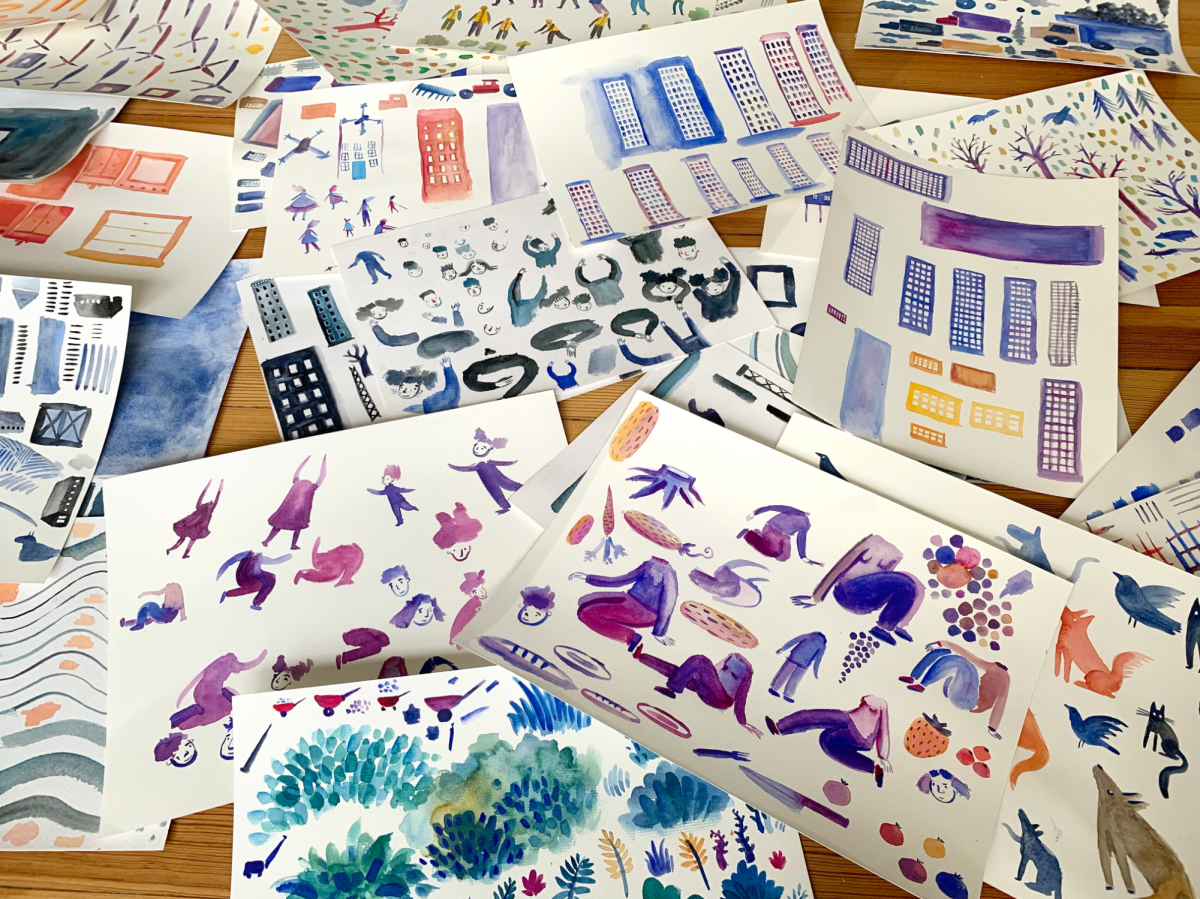
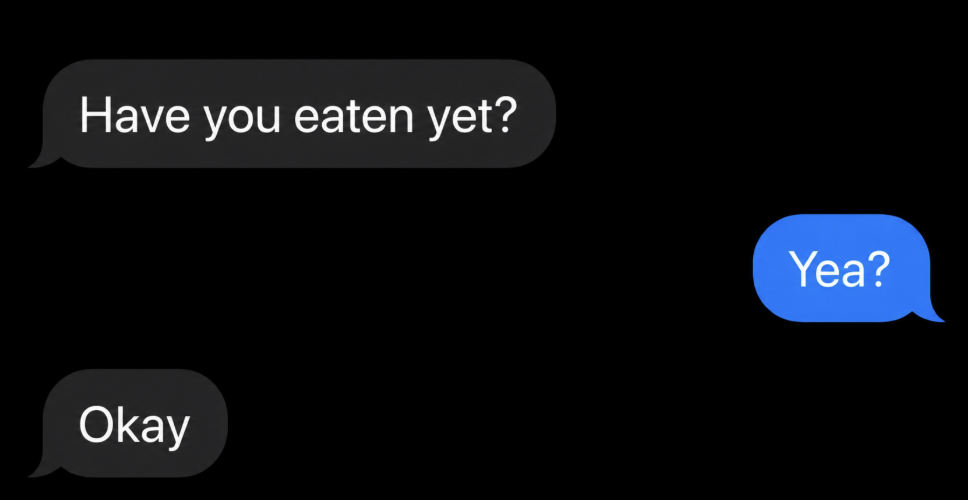
Maybe that’s why childhood felt so endless. Every day was unpredictable and full of tiny discoveries. Now, life seems faster because we already know the routines, the patterns, the little details that once made us pause. But that doesn’t mean we can’t slow it down ourselves. In a way, this fast-forward time reminds us to be present, paying attention to new experiences, trying things outside our comfort zone, and cherishing small moments that might otherwise be taken for granted.
Because someday, the things that feel ordinary now might be the ones we’ll want to slow down for the most. Maybe the trick isn’t trying to speed through time, but learning to notice each frame as it comes.
Image: Violet Trajtenberg