

The açaí that creates long lines during breaks in our Student Center begins its journey 2,400 kilometers away, in a humid factory outside Belém, in the northern region of Brazil. For us, it’s a quick snack between classes. Yet this summer, when I was there for an internship, I learned that behind that cup conveniently purchased for R$20 lies an entire ecosystem of people, processes, and heat that most of us have never even heard of.
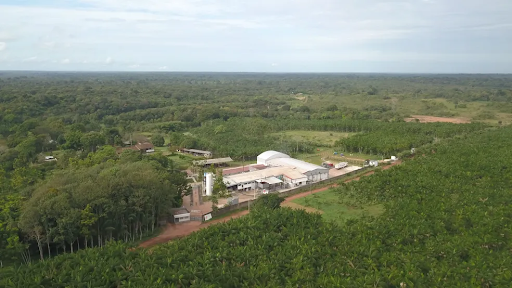
It all starts in Santa Izabel do Pará, a town near Belém where Oakberry runs its main factory. It’s not exactly the image that comes to mind when you picture a global brand. The place looks more like a glorified warehouse than a tech-driven operation, yet it ships its various products to over forty countries. Inside, almost everything is done by hand: one person fills the açaí gallon, one weighs it, one hammers on lids, one sticks on labels. The global health craze that powers Graded’s lunch rush runs almost entirely on human labor.
Still, it works. The factory is the town’s heartbeat. Ten years ago, workers showed up on foot; now, more than sixty motorcycles line up outside every morning. Oakberry didn’t just create jobs, it created mobility. The company turned a regional fruit that once sustained riverside communities into an export industry, building an economy that lifts families and local incomes along with it.
Outside the plant, the impact reaches even farther. Oakberry funds sustainable harvesting projects with ribeirinho communities, families that live on the riverbanks, helping their inhabitants earn better pay and teaching them to manage the forest without destroying it. The fruit is collected naturally by these communities and brought back to the factory, where local workers process, test, and package it. Through these programs, Oakberry is genuinely changing lives: teaching fair wages, supporting forest management, and helping families break cycles of informal labor.
Still, beyond the economic impact, there’s a cultural story behind açaí that often gets lost by the time it reaches the end consumer. In Pará, açaí isn’t dessert like we eat it here, it’s lunch. Locals have it unsweetened, earthy, and bitter, with fish, meat, and even farofa, not topped with granola, leite condensado, leite ninho, bananas, strawberries, honey, and every other sweet imaginable. In fact, the word itself comes from the Indigenous legend of Iaçá, the mother whose grief birthed the açaí tree. Somewhere between the Amazon and our Student Center freezer, that story got filtered out, and a lot of sugar got added in.
The same fruit that sustains riverside families now sells as a global trend. It’s brilliant marketing, efficient, and, if you think about the lack of automation and the rough conditions, faintly absurd. It’s a reminder of how easily origins get lost once a product leaves the Amazon.
Oakberry’s success is something to admire. It’s boosting rural economies, funding sustainability programs, and giving a Brazilian brand global weight. But the road from Santa Izabel to São Paulo, and then to the world, is paved with contradictions.
So next time you grab an Oakberry bowl between classes, take a second to think about where it all started. Somewhere, 2,400 kilometers away, a riverside local picked the fruit, a factory worker tested the taste, and another packaged it, all so you could enjoy your bowl of açaí during your break.