
Sometimes I wonder if life would’ve been different if I had been born in my parents’ country. If they had stayed there, would I still be the same person I am now? Sometimes I imagine an alternate version of myself, one who speaks effortlessly with relatives, one who doesn’t depend on Google Translate, one who doesn’t feel just slightly out of place during family gatherings.
There’s always this little sting when I can’t find the right words to speak with my parents, relatives, or anyone who uses their native language. Pulling out my phone to translate is funny sometimes, but beneath that, there’s this irritation: the feeling of digging through my brain and still struggling. I try to piece together whatever words I remember just to express something so simple, like a thought or feeling. Because my vocabulary is so limited, my conversations with relatives end up being vague and short. There are so many things to ask, so many conversations that we could have. But I can’t. Not in the way I want to.
Sometimes I think maybe it’s my fault. Maybe I should’ve tried harder, learned more about my culture and language instead of giving up whenever it felt too difficult. It’s a strange kind of pain, trying to explain what it feels like to have a language barrier with your own family. The people you should feel closest to suddenly feel a little distant, and you don’t know how to bridge the gap. If I hadn’t been so lazy, maybe my connection with my cousins would’ve continued instead of slowly fading. I think about our childhood memories, and even with the few words I know, those moments still come back. But now they just sit in my head, memories I can’t fully share with them anymore. That’s why being a kid felt so easy. Even with a language barrier between me and everyone else, it didn’t matter back then. Kids always find a way to connect, even without the right words. They just play, laugh, and somehow understand each other anyway. But growing up changes everything. Now I stop and rethink every little thing I want to say. I translate, hesitate, I get stuck. I’m more aware of my mistakes, of how different I sound and it makes me hold back in ways I never did as a kid.
But every time I get a compliment for speaking their language, even if it’s messy and unsure, I feel this mix of relief and contentment. Despite my silly phrases and odd word combinations, it’s comforting to know they understand me, but there’s always that tiny reminder of the distance between us. My odd phrases, the weird combinations of words, they make my people laugh, and I laugh with them too. But part of me wishes I didn’t have to rely on this version of their language to be understood. Maybe that’s just part of who I am now: a somewhere in between, a half-here, half-there, a connection that feels both familiar and foreign at the same time.
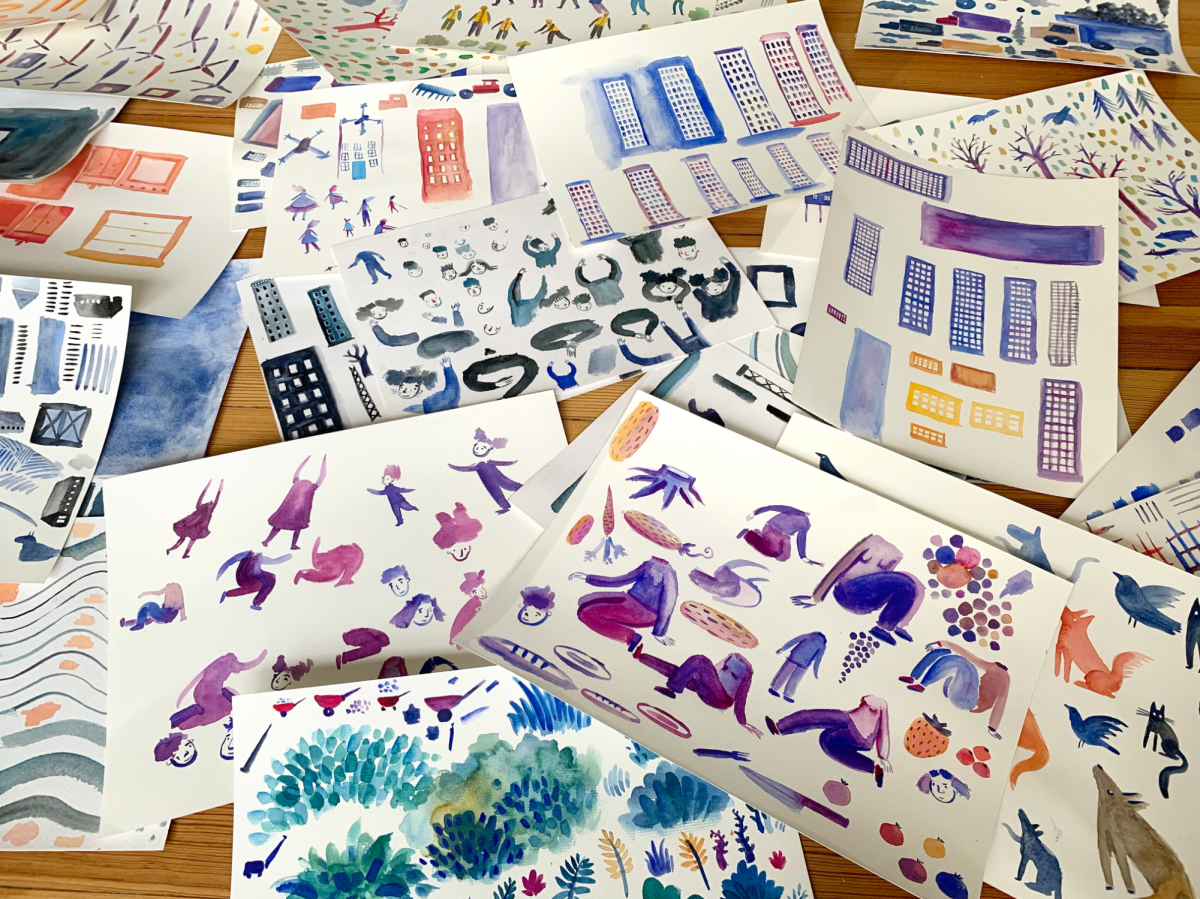
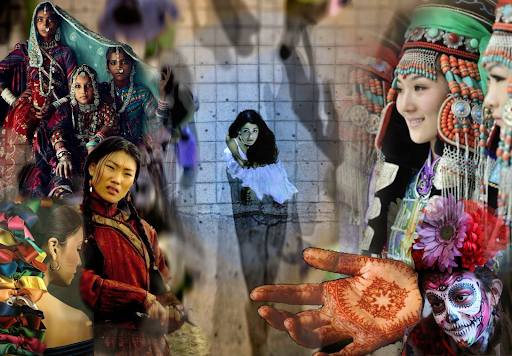
Illustration: Violet Trajtenberg