
It might be a stereotype that teenagers do not care about politics. In more conservative minds, teens only worry about school, friends, social media, and weekend plans. But from my perspective as a 15-year-old high school student in São Paulo, that is not really true. Maybe we do not talk about politics all the time, but I can assure you that we are paying attention.
For many young people, politics is reflected in food prices, public transportation, safety, education, and even what is taught in schools. At Graded, inequality can be seen just steps away from campus. It becomes hard to ignore politics when it affects almost everything around us. The new generation has become more politically aware because we have easier access to information through the internet. Many privileged international schools across the city have also started offering programs like MUN, where students are exposed to current political issues and expected to defend different perspectives. This makes middle and high school students more aware of political conditions around the world.
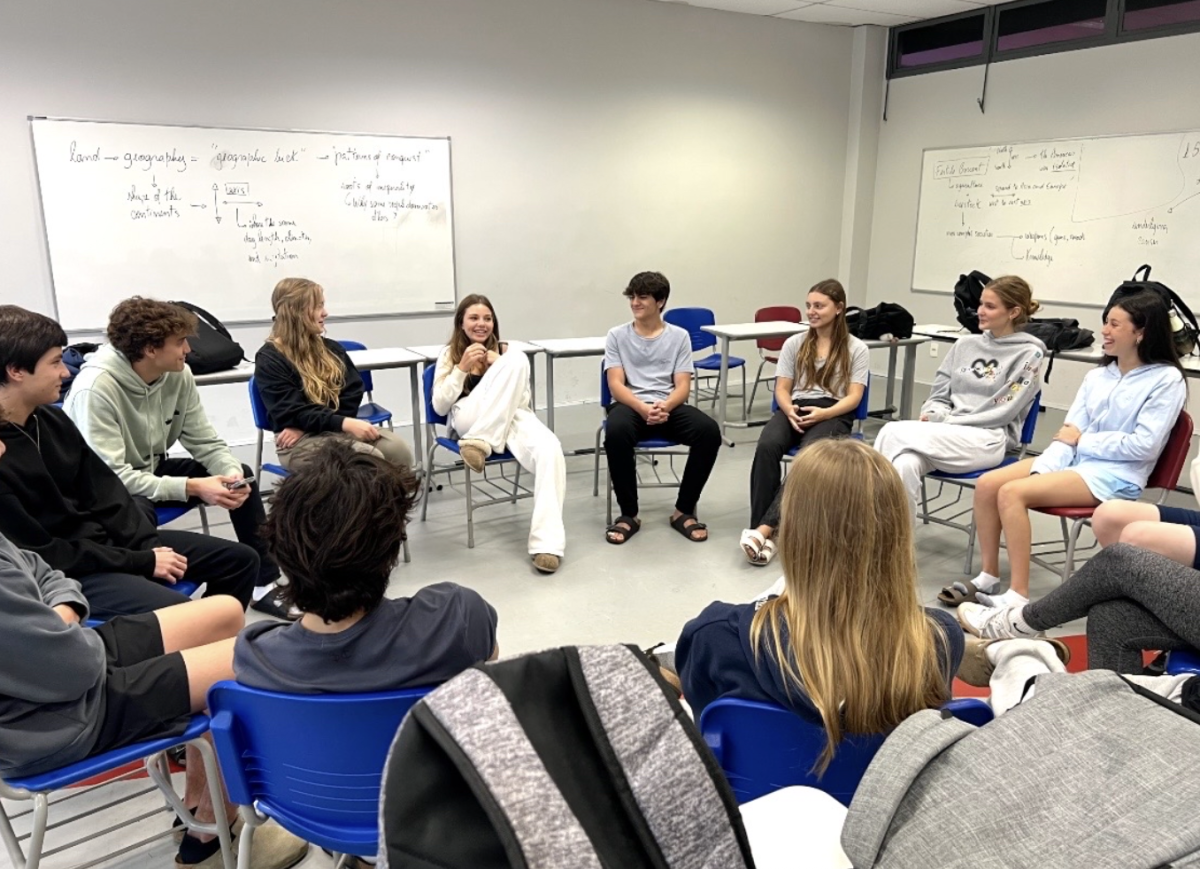
Being politically active at our age does not always mean joining a political party or protesting in the streets. Sometimes it is much simpler than that. I try to stay informed by reading newspapers like The New York Times, and by participating in discussions at school. Exploring different perspectives can expand your political understanding and curiosity. Sometimes I come across a post about a law, a speech, or something happening in Congress, and it makes me want to learn more. Then I talk about it with friends, teachers, or family members.
I also think young people today are more open to discussing topics that older generations sometimes avoided. Issues like feminism, racism, climate anxiety, LGBTQ+ rights, and education are talked about more frequently and receive greater attention. Even though these conversations are more common now, they are not always easy, and people often disagree. However, these disagreements and debates are what make people more interested and engaged in modern issues.
Even though voting is not always something young people think about, I still believe they should be aware of the issues affecting the world around them. Being politically aware now helps me understand the kind of society I want to live in. Young people may not have all the answers, but we do have opinions and a future that will be shaped by the decisions being made today. That is why our voices matter.