

This past month in February, sophomores were introduced to the IB courses that they may take during the next two years of high school. For many students, it can feel less like choosing classes and more like choosing a future. At an age when many students are still discovering their interests, the pressure to make the “right” choice can be overwhelming.
As students begin considering their options, advice starts coming from many directions. Teachers and college advisors recommend subjects based on academic strengths, parents suggest ‘‘useful’’ classes, friends often choose similar subjects, and juniors and seniors share their own experiences. Although this wide range of perspectives is highly useful and helpful, it starts to become confusing and overwhelming. With so many voices offering different recommendations, it becomes difficult to know which path to follow. Just a few weeks ago, when seniors and juniors hosted IB stands and visited our mentorings, I watched many of my classmates and friends begin reconsidering their subject choices. I remember hearing things like ‘‘Is there a lot of homework for this class?’’ or comments like ‘‘Maybe I shouldn’t take HL math’’. Some juniors even warned us, saying that ‘‘Pre-IB and IB are completely different! It’s a big jump’’.
On top of that, we had to get teachers to sign our selection forms for approval, which led many of us to question whether our choices were truly the best fit. And as if the decision wasn’t stressful enough, students also have to worry about whether their IB subjects will meet the requirements for their future universities or “dream colleges.”
A major contradiction we sophomores hear during the IB course selection process is whether we should choose the subjects we genuinely enjoy, or the ones that are considered ‘‘useful’’ for university. Many people, including some teachers, encourage us to follow our interests and pick the classes we’re most passionate about and believe we can do well. However, others advise us to prioritize the subjects that meet university requirements or align with the major we might want to pursue. This leaves many of us wondering how we are supposed to choose IB classes, and possibly even a future career, at only 16! Sometimes it feels like our entire life is being decided by the IB classes we choose.
And if you choose not to follow the full IB pathway, then all the pressure seems to fall on you. Your grades are expected to be above average, you’re supposed to excel in every class, and apparently taking five HLs becomes the new expectation.
Being a sophomore right now can feel challenging. For most of the year, we feel almost invisible: freshmen are the new kids, juniors are entering the most demanding stage of high school, and seniors are focused on college decisions. But when IB course selection begins, it feels like suddenly all eyes are on us. Still, some seniors offered a bit of reassurance. One of them told us ‘‘If you don’t know what you want to do in the future, IB classes can actually help you figure out what you like’’
In reality, most of us are still figuring out what we enjoy and what we want our future to look like. This process is less about finding the perfect combination of classes and more about learning how to make choices, take risks, and discover interests along the way. The IB course selection may feel overwhelming and confusing now, but maybe it isn’t really about having everything figured out yet. It’s just the first time many of us are asked to pretend that we do.
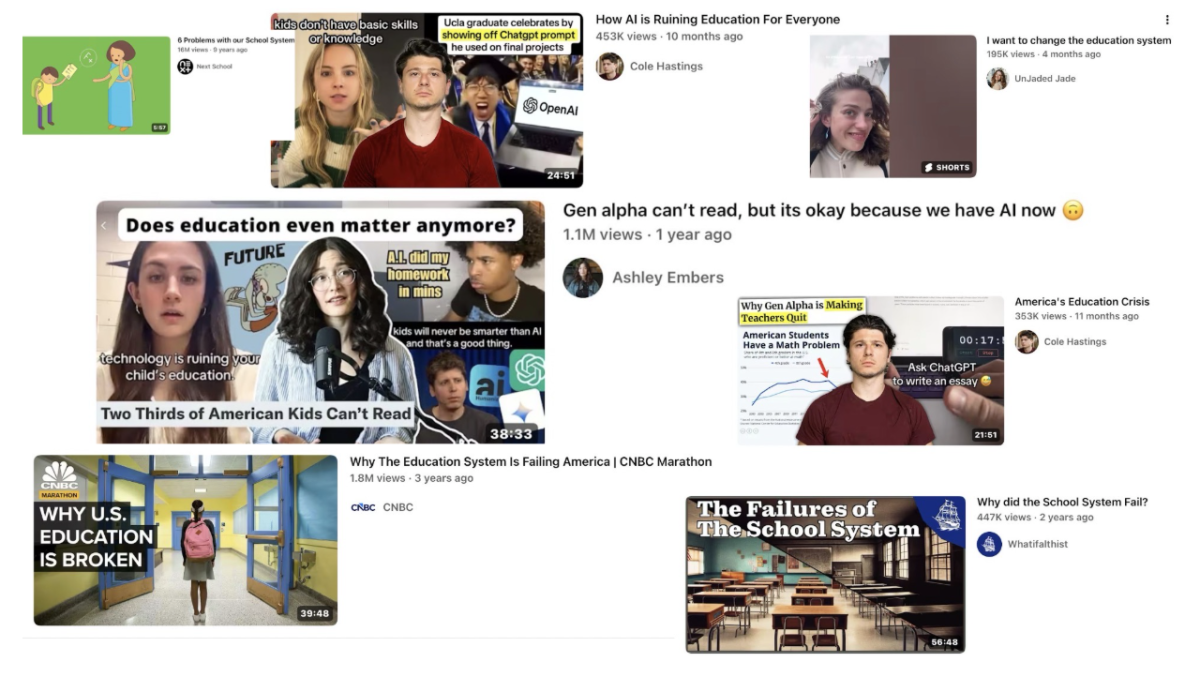
Image: NY Times